

Tokyo has neighborhoods that feel like portals. Shin-Okubo is one of them. Step off the Yamanote Line and within a block you are surrounded by Korean pop music bleeding out of storefronts, the smell of tteokbokki and grilled meat, and beauty shops stacked floor to ceiling with skincare that has not reached the mainstream Japanese drugstore yet. It is loud, layered, and genuinely fun — and it is one of the most interesting places in the city for a foreigner to spend an afternoon.
This Shin-Okubo guide is written for people who want to do the neighborhood properly: eat well, shop smart, avoid the obvious missteps, and leave with something worth keeping. Whether you are a first-time Tokyo visitor, a K-beauty enthusiast doing research before you land, or a resident who has walked past the station a dozen times without going in, there is more here than the obvious.
Shin-Okubo sits at the center of what locals and expats alike call Koreatown Tokyo — a dense, walkable stretch that has evolved from a quietly Korean residential area into one of the city’s most visited cultural districts. It is not a theme park version of Korea. It is a working neighborhood with real restaurants, real residents, and a genuinely Korean commercial identity that has shaped the surrounding blocks for decades.
Here is what you need to know before you go.
Getting There and Best Times
Shin-Okubo station sits on the JR Yamanote Line, one stop north of Shinjuku. The journey from Shinjuku takes roughly two minutes. From Shibuya it is about fifteen. There is no subway line that serves the station directly, but because the Yamanote connects to every major hub in Tokyo, access is straightforward from anywhere in the city. Tap in with a Suica or Pasmo card and you will not need to think about tickets.
The station exit drops you directly onto Okubo-dori, the main street. The core of the Korean commercial district runs along this road and the parallel職安通り (Shokuandori), with narrower side streets connecting them. The whole walkable area is compact — you can cover the main stretch in under twenty minutes, though most people take longer because of the stops.
On timing: weekday afternoons between roughly 1pm and 5pm are the most comfortable window. Shops are open, queues at popular food stalls are manageable, and you can have actual conversations with shopkeepers. Weekend afternoons — particularly Saturday between noon and 6pm — are a different experience. The streets get genuinely congested, queues outside popular restaurants stretch thirty to forty minutes, and navigating with a bag of beauty purchases becomes a test of patience.
If a specific restaurant is your main reason for going, arrive before noon or after 2pm on any day. Most Korean BBQ and stew restaurants in the neighborhood open for lunch service, and the gap between lunch and dinner rush is reliably quieter.
One note on seasonality: Shin-Okubo intensifies around K-pop comeback cycles. When a major group releases an album or a member holds a fan event, the neighborhood fills with fans, pop-up merchandise stalls appear, and themed café menus go live. If you are a fan, this is the moment to visit. If you are not, it is worth checking before you go whether a large event is scheduled.
Top Foods and Cafés
The Korean food Tokyo scene is strongest in Shin-Okubo, and the range is wider than most visitors expect. This is not a neighborhood of one dish. It runs from ¥300 street snacks eaten standing up to proper sit-down restaurants where the bill reflects serious cooking.
Street food worth stopping for:
Hotteok — sweet Korean pancakes filled with brown sugar, cinnamon, and crushed nuts — are available from dedicated stalls on the main drag. They are crisp outside and molten inside and should be eaten immediately. Join whichever queue is moving.
Tteokbokki (rice cakes in gochujang sauce) appears both at street counters and as a sit-down dish. The versions here tend to be richer and less sweet than Korean-influenced tteokbokki served in general Tokyo restaurants. If you have only had the watered-down version elsewhere, this will recalibrate your expectations.
Korean corn dogs — battered, fried, and filled with stretchy melted cheese — have become closely associated with Shin-Okubo over the last several years. Some stalls use a potato coating; others use ramen noodles. They photograph well and taste better than they have any right to.
Sit-down eating:
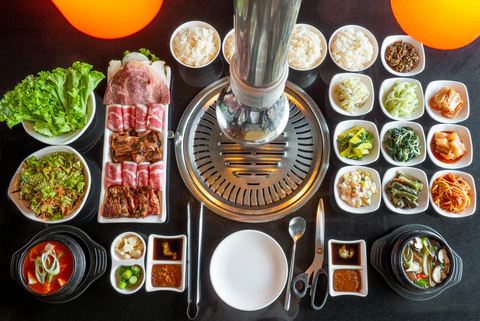
For Korean BBQ, look for restaurants that advertise samgyeopsal (thick-cut pork belly) rather than generic yakiniku menus. These tend to be run by Korean owners for a Korean customer base and reflect more authentic seasoning and banchan variety. The smoke, the scissors, the lettuce wraps — this is the full experience.
Sundubu jjigae (soft tofu stew) and doenjang jjigae (fermented soybean paste stew) are the comfort anchors for cold days. Served bubbling in stone pots, deeply savory, filling. Several small restaurants in the side streets specialize in these rather than BBQ and are worth seeking out for a quieter meal.
Cafés:
K-pop café culture runs through the neighborhood. Many cafés operate on a rotating themed schedule — decorated around a current idol comeback, with drinks named after members and limited photocard giveaways. These are worth at least a look even if you have no particular idol allegiance; the design effort is often impressive.
For a slower pace, a handful of Korean tea houses serve sikhye (sweet fermented rice punch) and omija tea alongside traditional sweets. These tend to be quieter, less photographed, and better for conversation.
K-Beauty Shopping
The K-beauty Japan retail scene is distributed across the country now — Cosme Kitchen, Loft, and even some drugstores carry Korean brands. But Shin-Okubo remains the best place in Tokyo to browse seriously. The reasons are practical: concentration, depth of stock, and staff who actually know the products.
In a single afternoon you can move between multiple multi-brand shops, test textures and shades in person, compare formulations across lines, and ask questions that a drugstore staff member would not be equipped to answer. That density is hard to replicate online or in a mall.
What to prioritize:
Skincare is the strongest category. Toners, essences, and targeted serums from brands like COSRX, Anua, Numbuzin, and Beauty of Joseon have dedicated global followings. Shin-Okubo stocks these in genuine depth — including limited editions and newer product launches that have not yet reached mainstream distribution in Japan.
Sun care deserves specific attention. Korean SPF formulations — lightweight, minimal white cast, often with skincare actives built in — remain technically ahead of most Western and Japanese equivalents for everyday wear. Buying a few tubes here is consistently recommended by long-term residents regardless of their interest in K-beauty more broadly.
Sheet masks in bulk are a reliable, light, affordable gift option. Hair care from brands like Ryo and Masil has a strong following among people dealing with scalp concerns or damage repair.
Common mistakes:
Buying without testing. Foundation shades and cushion undertones vary significantly between brands and even within a line. Most shops have testers — use them.
Ignoring expiry dates on discounted items. Promotional bins are common and often contain perfectly good product, but check before you buy, particularly for items with active ingredients.
Assuming the largest multi-brand shop has the best prices on everything. It usually has the widest selection, but smaller specialist shops occasionally stock certain lines at better prices. If you know what you are looking for, a quick comparison is worth the extra five minutes.
Etiquette and Safety Tips
Shin-Okubo is a residential and commercial neighborhood that happens to attract a large volume of visitors. The people running these restaurants and shops live nearby. A few things make the difference between being a good guest and adding to the friction that high-traffic neighborhoods absorb daily.
On the street:
Do not stop in the middle of the pavement to photograph food or check your phone. The side streets are narrow and the main drag gets congested. Step to the side, complete what you need to complete, and move. Street food stalls are accustomed to customers eating while standing near the counter — this is normal and expected. Taking sit-down restaurant food out to eat on the street is not the done thing.
Ask before photographing the interior of a shop or the staff. A gesture and a questioning look is usually enough. Most shopkeepers are happy to have their products photographed. The ask matters more than the answer.
In restaurants:
Match the noise level and pace of the room. Smaller restaurants — particularly the stew-focused spots in the side streets — tend to run quieter than the BBQ halls. Read the room and adjust accordingly.
On language:
Japanese is the working language of the neighborhood. Korean is widely understood in Korean-owned shops. English is serviceable for most shopping transactions. A translation app handles menus and more detailed questions without difficulty. Do not assume staff speak English, but do not be surprised when they do.
On safety:
Shin-Okubo is safe by any reasonable standard — it has a higher-than-average foreign resident population, is well-patrolled, and sits adjacent to Shinjuku’s transit infrastructure. Standard urban awareness applies: keep your bag in front of you in the weekend crowds, do not leave belongings at a café table while you browse. Nothing unusual.
A Unique Personalized Souvenir Idea (Hanko)
You have spent the afternoon in a neighborhood that sits at the intersection of Korean culture and Japanese daily life. You have eaten well. You have bought the serums. Now consider what you take home as a lasting mark of the trip.
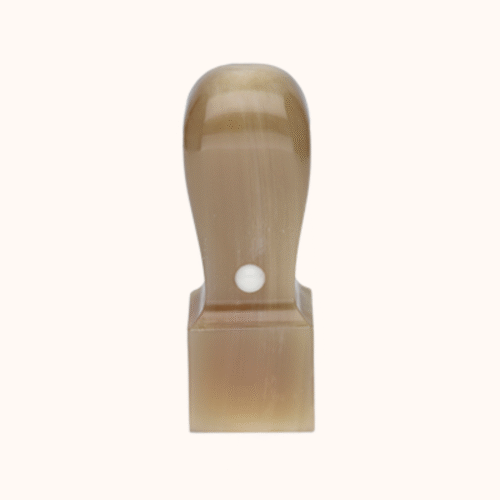
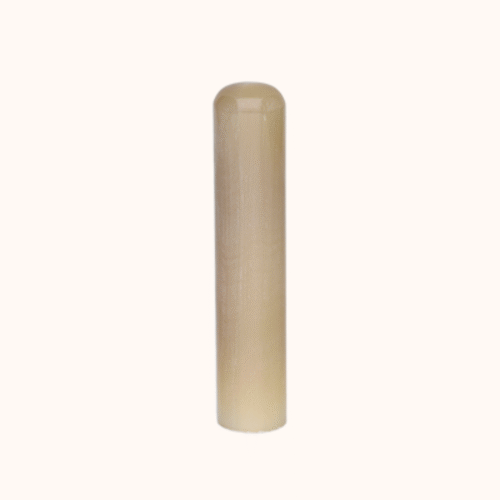
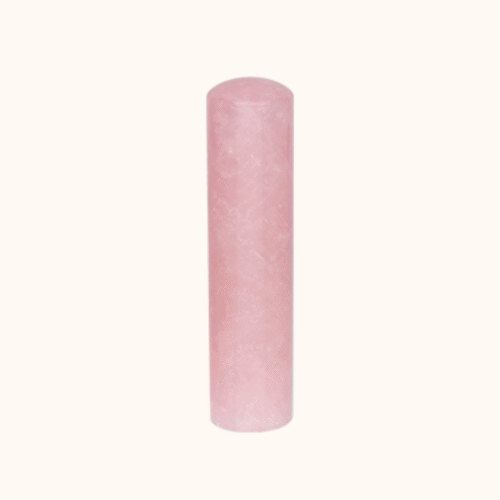
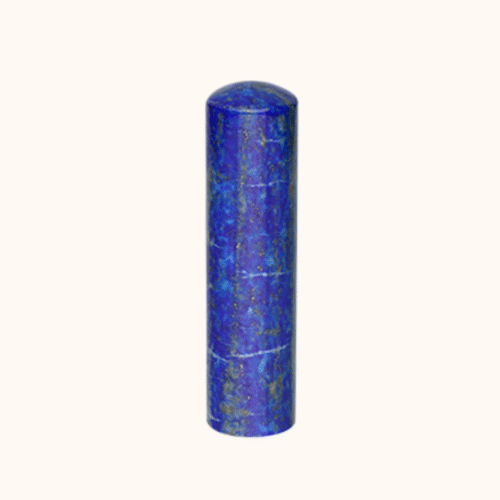
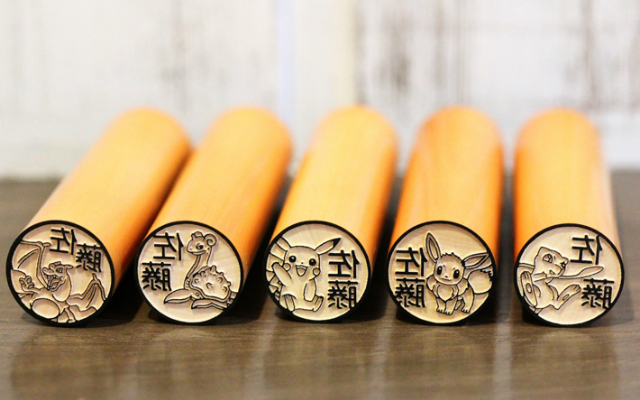
A hanko — a Japanese personal name seal — is one of the most considered souvenirs you can acquire in Japan, and it is almost never on the first-time visitor’s list. That is exactly why it is worth mentioning here.
In Japan, a hanko is a functional object: a small cylindrical stamp used to sign documents, authenticate contracts, register with local government, and conduct official business. Every Japanese person has one. It carries the same weight as a signature. For a foreigner, having one made with your name in Japanese characters — carved in katakana, or in kanji chosen for their meaning and visual balance — produces something that does not exist anywhere else in the world.
Consider the micro-scenario: you are visiting Tokyo for two weeks, half of which you spend in neighborhoods like Shin-Okubo absorbing the layered, cross-cultural texture of the city. You want one object that captures the experience of being a foreigner in Japan — navigating the systems, encountering the craft, feeling the specificity of a place that takes making things seriously. A hanko made with your name is exactly that object. It is simultaneously ordinary to a Japanese person and entirely singular to the person who had it made.
Hanko shops are common throughout Tokyo — near Shinjuku station, in covered arcades, in department store stationery sections. The process involves giving your name, discussing character options with the artisan, choosing a material, and waiting while the seal is carved. Many shops offer same-day service for standard designs.
If you prefer to order after your trip, or want to send one as a Japan gift to someone at home, HankoHub handles custom hanko for international customers entirely in English, with worldwide shipping. You choose the material, character style, and size; they manage the carving and delivery.
A checklist for getting it right:
- Bring your name written clearly in romaji
- Ask to see character options before confirming — katakana (phonetic) versus kanji (meaning-based) produce different objects
- Confirm the size: 10.5mm is standard for personal use
- Ask whether an ink pad and case are included, or need to be added
- Check turnaround time if your schedule in Tokyo is short
FAQ
Is Shin-Okubo worth visiting if I am not a K-pop fan? Yes, without qualification. The food scene alone justifies the trip — and K-beauty shopping, cultural interest in Korea in Japan, and simply wandering a neighborhood with a distinct character have nothing to do with fan culture. That said, if you are a fan, the neighborhood delivers in ways that few places outside Korea itself can match.
How long should I spend in Shin-Okubo? Two to three hours covers street food, a sit-down meal, and a proper pass through the beauty shops. Dedicated shoppers or people hitting multiple restaurants could comfortably fill a half-day. It pairs well with Shinjuku on the same day given the proximity.
What is the best way to get to Shin-Okubo from central Tokyo? JR Yamanote Line to Shin-Okubo station, one stop from Shinjuku. IC card recommended. No transfers needed from most major hubs.
Are the Korean beauty products in Shin-Okubo authentic? Yes — the established shops in the neighborhood stock genuine products from Korean brands with normal expiry dates and proper Japanese import labeling. Buy from recognizable multi-brand retailers or single-brand shops rather than from informal market stalls.
What is a hanko and why would a foreigner want one? A hanko is a Japanese personal name seal used throughout Japan for official purposes. For a foreigner, having one made with your name in Japanese characters is a unique personalized souvenir — functional, handcrafted, and specific to you. Many people use theirs as an artist’s stamp, a journaling mark, or a wax seal impression long after returning home.
I am thinking about living in Tokyo long-term — is that a realistic option? More realistic than many people assume. ComfysCareer can help you search for foreigner-friendly jobs around the city, with resources on visa pathways and the practical realities of building a working life in Tokyo.
Where can I order a custom hanko if I am already back home? HankoHub specializes in hanko for international customers, with the full process handled in English and worldwide shipping available.
Next Steps
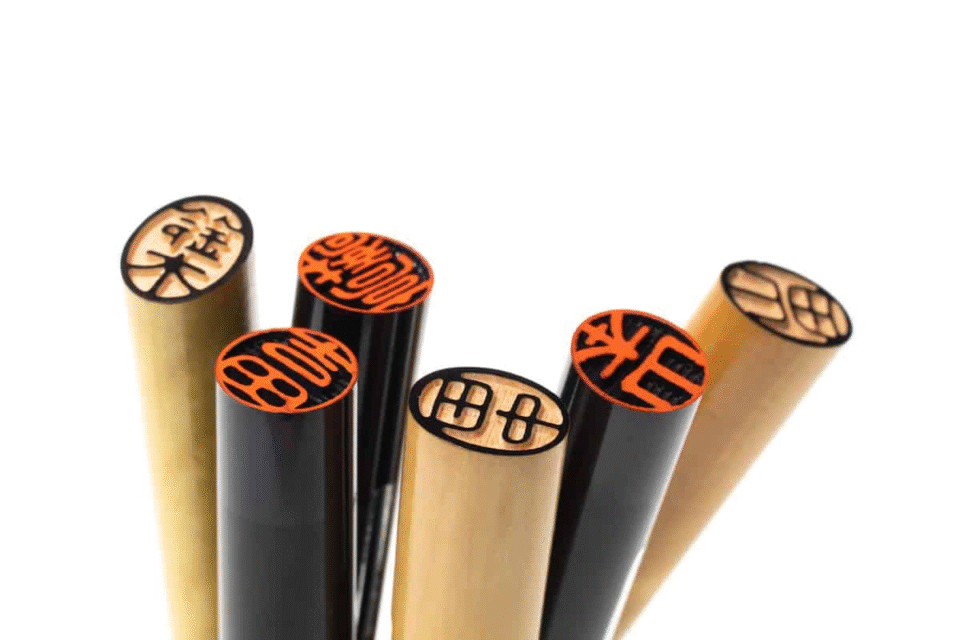
If Shin-Okubo has made you curious about what else Tokyo does at this level of specificity, the answer is: most things. The city rewards slow, neighborhood-by-neighborhood exploration. And if you want one object from the trip that lasts — something made with real craft and carrying your name in a form that exists nowhere else — a custom hanko is the most considered choice on the list. HankoHub makes the process straightforward for international customers, from character selection through to worldwide delivery.